
A READER’S GUIDE for MY FRIEND THE SPY
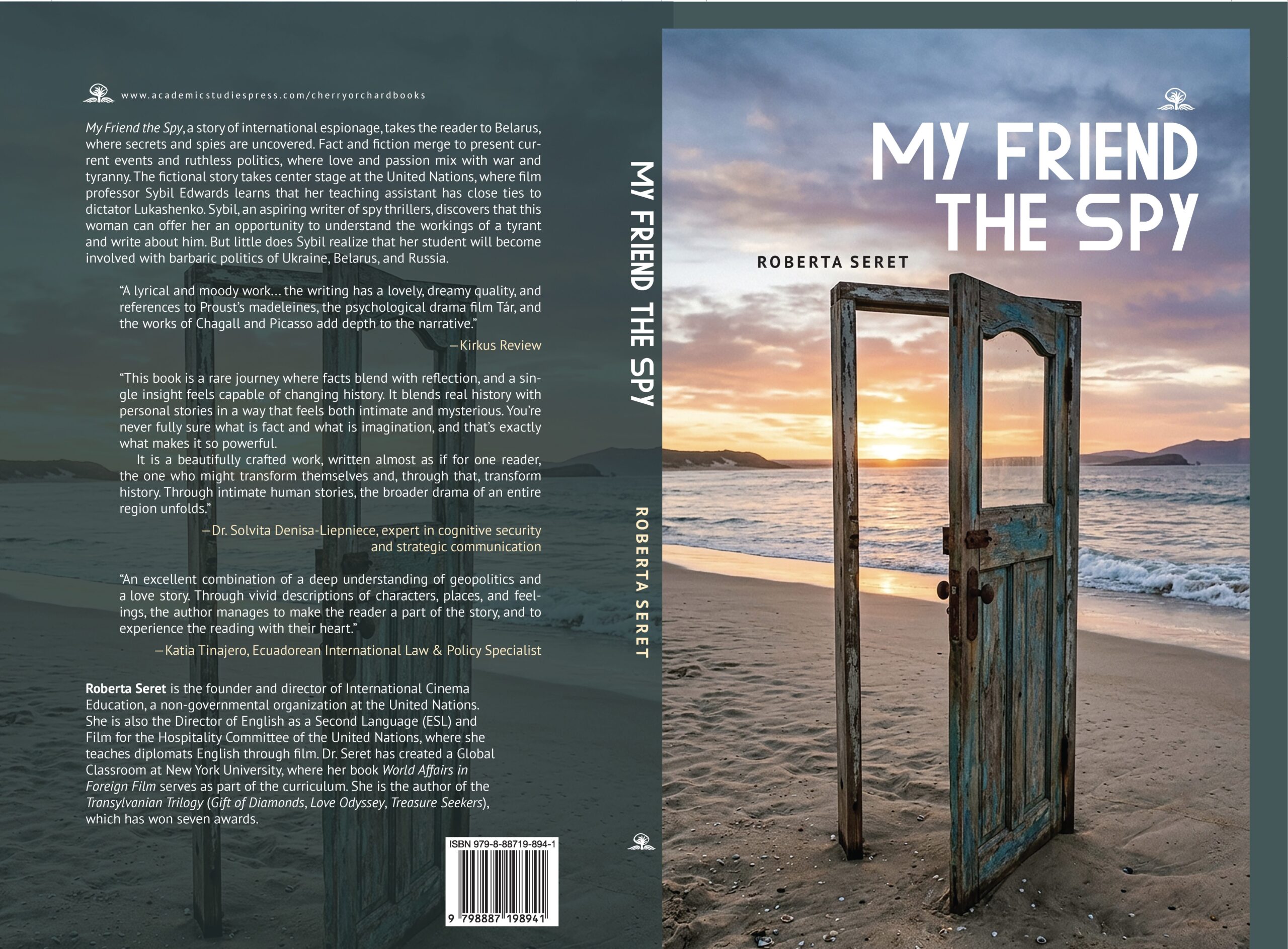
by Roberta Seret
BACKGROUND ABOUT BELARUS:
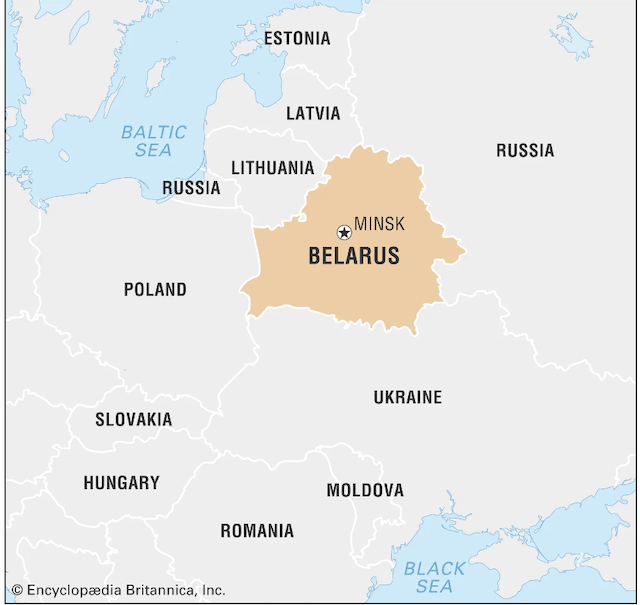
MAP IN EASTERN EUROPE
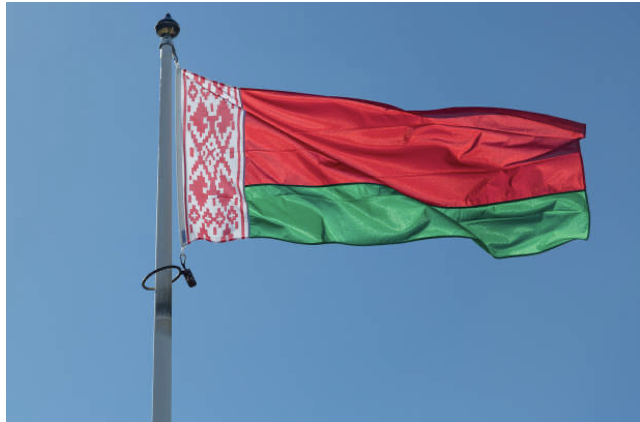
FLAG OF BELARUS:
FACT BOX ABOUT BELARUS:
- Capital and Largest City: Minsk, which has been rebuilt several times after immense destruction during its history, particularly in World War II.
- Official Languages: Belarusian and Russian. Russian is more commonly spoken in everyday life. Government, press and schools use Russian language.
- Official Religions: Eastern Orthodox Christianity: 84%; Roman Catholic 7-10%.
- Climate: cold winters, warm summers.
- Population: Approximately 9.1 million people for the country as of 2025. Population for Minsk, the capital, is approximately 2 million. Other large cities: Gomel (appx 2 million); Vitebsk (appx 360,000); Mogilev (appx 350,000).
- Currency: Belarusian ruble (BYN). Approximate exchange rate for Belarusian ruble (BYN) is 100 BYN to $30.
- Government: An authoritarian government, often referred to as Europe’s “last dictatorship.” Alexander Lukashenko has been president since 1994. Elections have been contested as being “rigged.” Aliaksandr Lukasenka (Belarusian/Russian name and spelling); Western countries often criticize the government for human rights crimes and corrupt and false democratic elections.
- International Memberships: United Nations (October 24, 1945, one of the original founding members); Eurasian Economic Union (EAEU); Collective Security Treaty Organization (CSTO); Shanghai Cooperation Org. (SCO) 2024; Partner Status in BRICS (2024).
- Geography: It is a landlocked country in Eastern Europe, relatively flat country bordered by Russia, Ukraine, Poland, Lithuania, and Latvia. Over 40% of its land is covered by forests, earning it the nickname “Lungs of Europe.” It also features over 10,000 lakes and numerous rivers.
Unique and Interesting Aspects:
- Nature and Wildlife: The Białowieża Forest, a UNESCO World Heritage site that straddles the border with Poland, is one of the last and largest remnants of Europe’s primeval forest. It is a major sanctuary for the European bison (wisent), Europe’s heaviest land animal and Belarus’s national animal, which was brought back from near extinction through conservation efforts.
- Cuisine: Potatoes are a significant part of the national cuisine, used in over 40 traditional dishes like draniki (potato pancakes), although flour-based dishes are also very common.
- Economy: The economy is mostly state-controlled and has been described as “Soviet-style.” Key industries and exports include mechanical engineering (tractors, trucks), petrochemicals, and the production of potash (potassium fertilizers). Belarus relies heavily on Russia for energy imports, such as oil and natural gas. As well as military arms.
- Soviet Legacy: Belarus retains several Soviet-era policies, as state ownership of large sectors of the economy. It is also the only country in Europe that continues to use capital punishment. Belarus maintains very close ties with Russia, with the two countries forming a “Union State” framework for greater cooperation.
- World War II Impact: Belarus suffered immense devastation during WWII, with an estimated quarter of its pre-war population perishing. Belarus was not a separate ally of Russia during WW ll. It was part of the Soviet Union fighting alongside the Soviet Red Army after 1941 once the German invasion began. Belarus and Russia at this time were part of the same USSR and fought against Nazi Germany’s invasion. Belarus was quickly overrun and experienced brutal occupation. It was liberated after the war by the Red Army.
- Cultural Heritage: The country is known for traditional crafts like straw weaving and embroidery. It is home to several UNESCO World Heritage sites, including the Mir Castle Complex and Nesvizh Castle.
BELARUS: HISTORY AT A GLANCE:
- Ancient History: The region was settled by Slavic tribes around the 5th century AD and later became part of “Kievan Rus”.
- Foreign Rule: Throughout its history, Belarusian territory was part of the Grand Duchy of Lithuania, the Polish Lithuanian Commonwealth, and the Russian Empire.
- Soviet Era: Following the Russian Revolution, it became the Byelorussian Soviet Socialist Republic (BSSR) and was a founding member of the Soviet Union in 1922. The BSSR was devastated during World War II, losing a third of its population. The 1986 Chernobyl nuclear disaster in neighboring Ukraine also heavily affected Belarus, contaminating a large amount of its land.
- Independence: Belarus declared independence in 1991 following the dissolution of the USSR.
- Recent Events: The country has maintained very close political and economic ties to Russia, forming a Union State. Russia entered Belarus after the fraudulent elections by Lukashenko in Belarus of 2020, and Belarus supported Russia’s invasion of Ukraine from its territory in 2022, as well as all activities during the Ukrainian War.
FIVE YEARS SINCE BELARUS’S FRAUDULENT 2020 PRESIDENTIAL ELECTION:
(From Jamestown Analysis on Belarus’s Trajectory since August 2020. (https://Jamestown.org)
SUMMARY Presently: August 9, 2025, marks the fifth anniversary of Belarus’s 2020 presidential election. This election represented a critical juncture for Belarus, not just because of its preordained illegal outcome—Alyaksandr Lukashenka’s fraudulent and corrupt victory—but rather because of the mass exodus of Belarusian citizens and subsequent regime crackdown in its aftermath. The scale and momentum of the protests far exceeded that of previous ones in Belarus, and appeared to take everyone, including Lukashenka, by surprise. The character of Belarusian foreign policy, the dynamics between the state and society, and the prospects for democratization underwent a significant transformation. In the years since, Belarus’s diplomatic relations with the United States and European Union have markedly deteriorated.
The regime’s response to these unprecedented demonstrations was particularly harsh, resulting in systemic violations of human rights, incarceration, torture, forced disappearances, and dozens of confirmed deaths of protesters. Lukashenka remains in power because he was able to retain the support of the Belarusian elite, police, and security forces, with significant support from Russia.
The response to the protests has left a deep imprint on Belarus. Hundreds of thousands of Belarusians have fled the country since 2020, and those who remain live under a deeply repressive and securitized system. Lukashenka leads an isolated regime that is considered illegitimate by many both domestically and internationally, leading to economic, political, and social regression. While Lukashenka succeeded in extending his grip over Belarus for now, many questions over Belarus’s future remain.
Executive Summary:
- In the five years since Belarus’s 2020 protest movement, Belarusian President Alyaksandr Lukashenka’s authoritarian regime has become characterized by systematic, violent repression of dissent. The country, isolated from the West, became a military foothold for Russia and fell into political, economic, and informational dependence on the Kremlin.
- Western sanctions in response to Lukashenka’s human rights abuses and support for Russia’s full-scale invasion of Ukraine failed to stop Minsk’s repressive tactics. Sanctions deepened Belarus’s dependence on Russia, strengthened authoritarianism, and harmed average citizens. Increased sanctions are being levied.
- The Belarusian opposition cannot influence the situation inside the country; it remains fragmented and financially dependent on Western donors. The distribution of Western aid to Belarusian pro-democracy groups inside the country and in exile is often opaque, ineffective, inefficient, and prone to corruption.
- The change of power in Belarus will likely occur either under Kremlin pressure or when Russia takes over Belarus completely, or when Lukashenka passes away.
Belarus Looking to Normalize Relations with the United States
Yauheni Preiherman (July 28, 2025)
Executive Summary:
- Belarusian President Alyaksandr Lukashenka welcomed U.S. Special Envoy to Ukraine, General Keith Kellogg, to Minsk on June 21 in the highest-level meeting between U.S. and Belarusian officials since February 2020.
- The talks resulted in a goodwill gesture from Minsk with the release of fourteen political prisoners, including former presidential hopeful Siarhei Tsikhanouski.
- The meeting symbolizes a broader effort by Minsk to re-establish normal relations with Washington and demonstrate Belarus’s role and place in regional security.
Lukashenka Balances Internal Challenges with External Dependencies
Dmitry Bolkunets (March 19, 2025)
Executive Summary:
- Belarusian President Alyaksandr Lukashenka has secured another five-year presidential term and now seeks to secure the country’s regional and international interests, including a role in peace negotiations between Ukraine and Russia.
- Lukashenka’s first visit, as per tradition, was to Russia, where he sought support from Russian President Vladimir Putin despite breaking a gentleman’s agreement not to run in the elections.
- Lukashenka is unable to sever Belarus’s ties with Moscow due to economic and political dependence and views the Kremlin as a safeguard against the West.
- Belarus has few options for diplomatic maneuver aside from seeking deals on the release of political prisoners because the People’s Republic of China (PRC) prioritizes its relationship with Moscow rather than Minsk, while Lukashenka attempts to befriend the new administration in Washington.
Belarus Faces Another Sham Election as Lukashenka Clings to Power
Dmitry Bolkunets (January 22, 2025)
Belarus’s Economic Plight Opens Opportunity to Pressure Minsk For Release of Political Prisoners
Dmitry Bolkunets (June 4, 2024)
FIVE YEARS of EVENTS LINKING BEALARUS TO RUSSIA:
Executive Summary:
August 4-8, 2020
- Presidential elections were held where Alexander Lukashenko won a sixth term with 80% of votes. Opposition candidate Sviatlana Tsikhanouskaya claimed to have won a decisive first-round victory with at least 60% of the votes and called on Lukashenko to start negotiations. She formed a Coordination Council to protest against the fraudulent results. All seven members of the council were arrested (as her husband was previously) or went into exile. She escaped to Lithuania with her two children. Sanctions from the European Union were placed on Lukashenko’s fraudulent administration and wide-spread demonstrations lasted weeks.
- At that time, in August 2020, Russia expanded its troop presence and sent “undisclosed units” to be stationed permanently as “reserves” on Belarusian soil. This marked and began a significant military presence of Russian military inside Belarus that allowed 30,000 Russian troops to use against Ukraine for Russia’s invasion and war against Ukraine from Belarusian territory. This marked a permanent presence of Russian military in Belarus as seen presently.
Executive Summary:
October 14, 2020
- Nine weeks after the disputed August 9, 2020 results of the Belarusian presidential election and three weeks after Lukashenka’s closed inauguration ceremony, anti-government protests persisted but have not brought regime change.
Executive Summary:
Summer of 2021
- Migrant refugees were offered visa and air flight access to enter Russia and Belarus with object to allow migrants to cross into Lithuania and then into Europe to disrupt democracy in western countries. Lithuanians claim that this was a deliberate prelude to the February 24, 2022 invasion of Russia to Belarus. Eventually tension and deaths caused Lithuania to close their border with Belarus.
Executive Summary:
March 25-October 2023
- Transfer of Russian nuclear missiles to Belarus. This was a formal agreement between the two countries, the first time since 1990s that Moscow planned to base nuclear arms outside Russia. It contained transfer of nuclear capable missile systems and aircraft capable of carrying tactical nuclear weapons.
Executive Summary:
June 27, 2023
- Yevgeny Prigozhin entered Belarus after his 2023 mutiny rebellion against Putin. He was received by Lukashenko with his Wagner troops that found shelter in Belarus and set up military sites to train Belarusian soldiers.
Executive Summary:
August 23, 2023
- Two months later, a private jet carrying Prigozhin and his top lieutenants crashed in the Tver region while en route from Moscow to Saint Petersburg. All 10 people on board were killed. Many Western intelligence agencies believe that the crash was likely caused by an onboard explosion as retribution for his June uprising.
Executive Summary:
August 15, 2025
- Talks for the first time between the two presidents began in the summer of 2025 re: prisoner releases from Belarusian jails. This has been followed by other conversations over the telephone re Ukraine, Russia, and increased number of prisoner releases. Some analysts claim that Lukashenko wants to be the “bridge” between Russia and the U.S. re the war in Ukraine and peace talks.
Executive Summary:
December 1, 2025
- Russia’s intention to create and unify a neo-Soviet USSR empire entail using Belarus. The fact that Belarus remains “independent” may be a tactical decision rather than evidence of respect for Belarus’ sovereignty. In a 2025 report titled, “Russia’s Quiet Conquest: Belarus,” (by George Barros, Institute for the Study of War (ISW) Jan. 15, 2025,) states that Russia is understating a government effort to annex Belarus. Their findings include integrating Belarusian defense – industrial base with Russia’s war economy, merging economic and trade regulation under Russian oversight and alignments of Belarusian laws with Russian laws and Russia’s army and tactical nuclear weapons to Belarus.
- A similar study was made by the European Center for Strategic Studies and Policy (ECSAP), November 17, 2025, which reports that Minsk is in Moscow’s grip and how Russia has subjugated Belarus without annexation. This describes Belarusian economic dependence on Russia (fuel, military, trade.)
- Russia’s goal can be summarized by a 10-year plan (2020-2030) that will culminate in 2030 with a full “absorption” of Belarus under Russian control (economic, legislative, defense, media, language, culture, etc.)
WHICH COUNTRIES GAVE UP THEIR NUCLEAR WEAPONS TO RUSSIA?
Ukraine:
After the USSR collapsed (1989), Ukraine inherited the third-largest nuclear arsenal in the world. (roughly 1,700-1,900 warheads). Under a 1994 trilateral arrangement (The Trilateral Statement/ Budapest Memorandum), Ukraine agreed to transfer those warheads to Russia for dismantlement and joined the NPT as a non-nuclear state. The so-called transfers/dismantlement were completed by 1996.
Kazakhstan:
They relinquished their arsenal of 1,400 warheads with U.S. assistance through the Cooperative Threat Reduction programs to Russia by 1995.They then joined the NPT (Treaty on the Non-Proliferation of nuclear weapons) as a non-nuclear state.
Belarus:
Held Soviet tactical weapons on its soil after 1991. And transferred their tactical nuclear warheads to Russia in 1993-1996.
All these three major transactions were formalized via The Lisbon Protocol and supported by the U.S. Cooperative Threat Reduction programs that helped remove and dismantle the warheads during 1992-96. However, there were no legal binding defense guarantees filed to prevent future aggression with these warheads as we see presently in the Ukrainian war.
More recently, 2023-2025, Belarus has stationed on their territory, tactical nuclear weapons that were previously dismantled from Russian territory. Presently, there are joint training programs with Belarusian-Russian pilots. The danger is that nonstrategic warheads have been brought geographically closer to NATO countries and Europe. Tactical warheads are non-strategic nuclear warheads that are small and easily transportable. Belarus and/or Russia have given no confirmation of this transport number of nuclear arsenals or storage locations.
It is believed by bordering countries to Belarus (Lithuania, Latvia, Poland, Ukraine) that this is a major threat and concern. These countries have fortified their borders and secured means for self-defense in case of a future attack from Russia.
WHAT ARE THE IMPORTANT FACTS IN MY FRIEND THE SPY ‘S HYBRID STYLE OF NARRATIVE:
Fact and fiction mix in My Friend the Spy in a subtle manner. At the end of the book, the reader wonders, “What is real?”
This is intentionally done, to soften the harshness of our political events occurring in today’s history.
FACTS:
1. Belarus has been a staunch and loyal ally to Russia forseveral decades. Both leaders call themselves brothers and political decisions are shared. Belarus does not act alone.
2. Ukrainian children have been kidnapped by Russian and Belarusian officials to be Russified and even sold. Ukrainian officials and human rights investigators estimate that 19,000-20,000 Ukrainian children have been forcibly transferred from Russian-occupied parts of Ukraine to Russia, Belarus, or Russian controlled areas of Ukraine since February 2022.This violates international law and is considered war crimes against humanity. Many children have had their identity changed and forced to take Russian citizenship. They are placed in re-education programs, military training, or adopted by Russian families. There has been an attempt to locate these abducted children and bring them home. This has resulted in a small fraction of success.
3. Russian spies have increased their number and activities in Mexico. It is not unusual that Belarusian spies mix with Russian spies to facilitate espionage activities against the United States. Mexico, since the war in Ukraine, has been their launching pad.
Experienced and high official Russian spies mingle with tourists on Mexican beaches and get away with impunity as there are not many eyes on them. They transfer information from the U.S.toMexico and on to Moscow. The largest number of Russian spies are in Mexico. Most of them are registered as diplomats and the Mexican government has allowed this.
In My Friend the Spy, there is in part two, a sub plot of Russian spies who attack the protagonists. This is an example of the hybrid style of mixing Fact with Fiction, espionage activities with violence
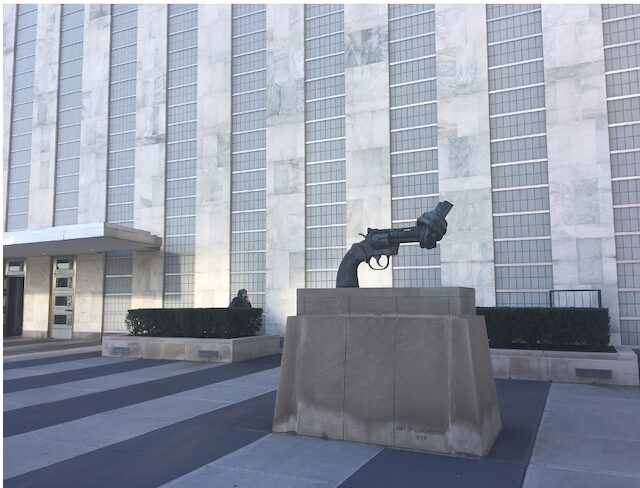
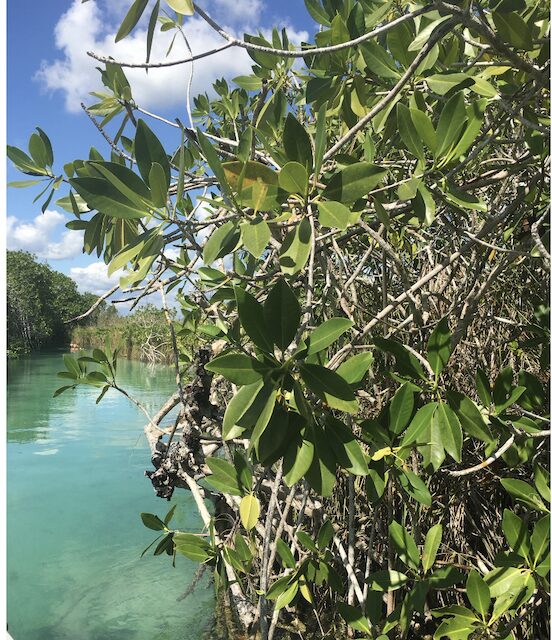
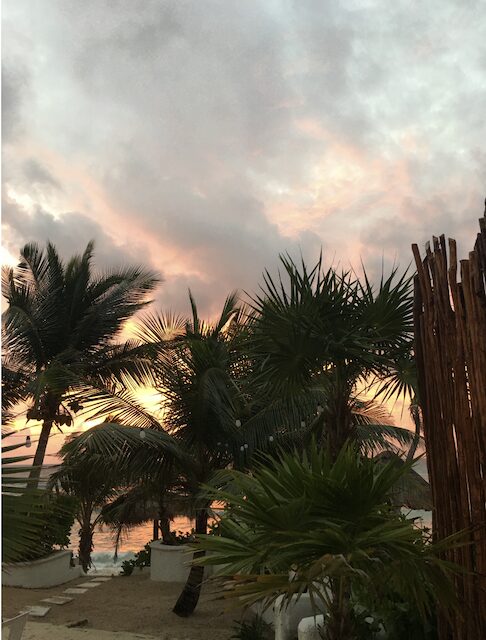
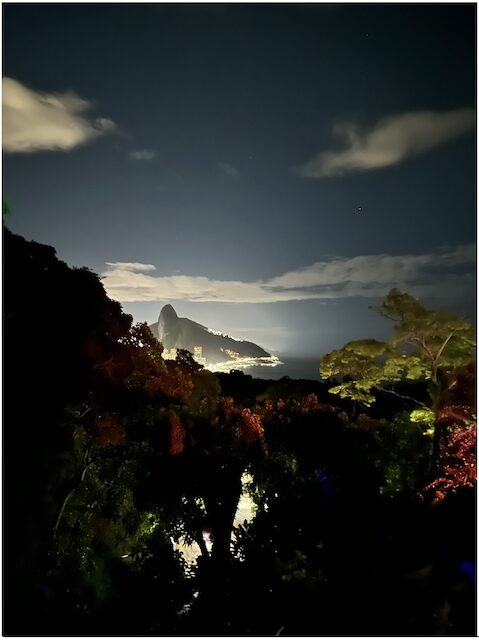
A STORY IN PHOTOS FROM MY FRIEND THE SPY:
PART ONE: NEW YORK CITY
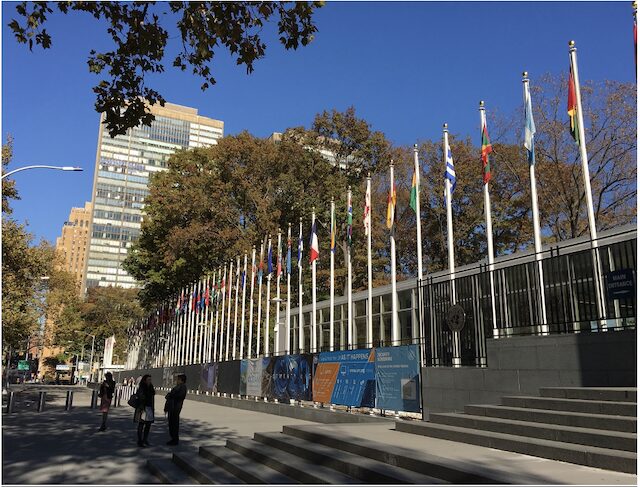
PART TWO: MEXICO
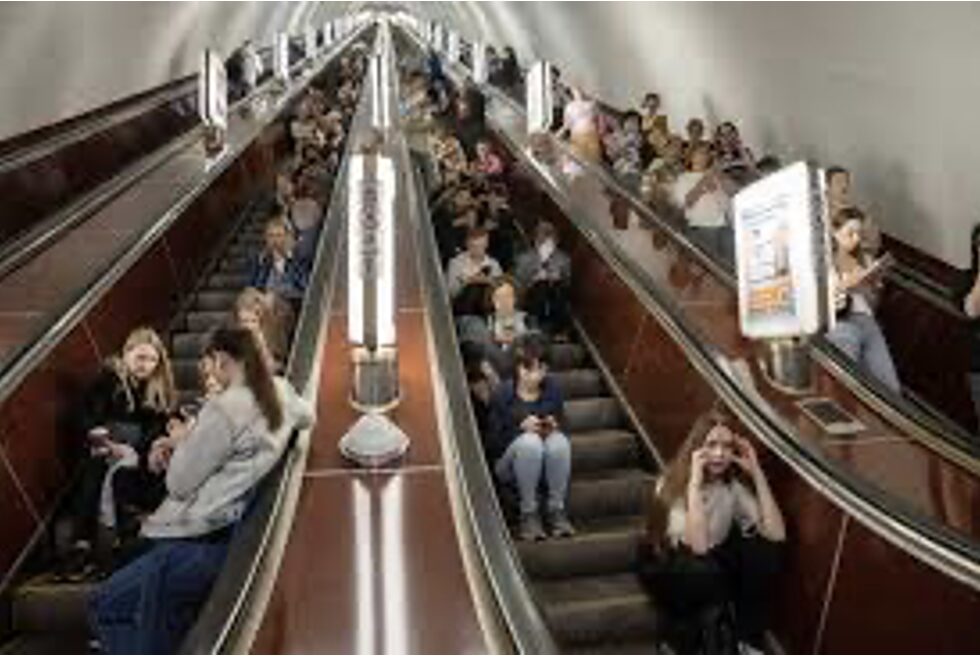
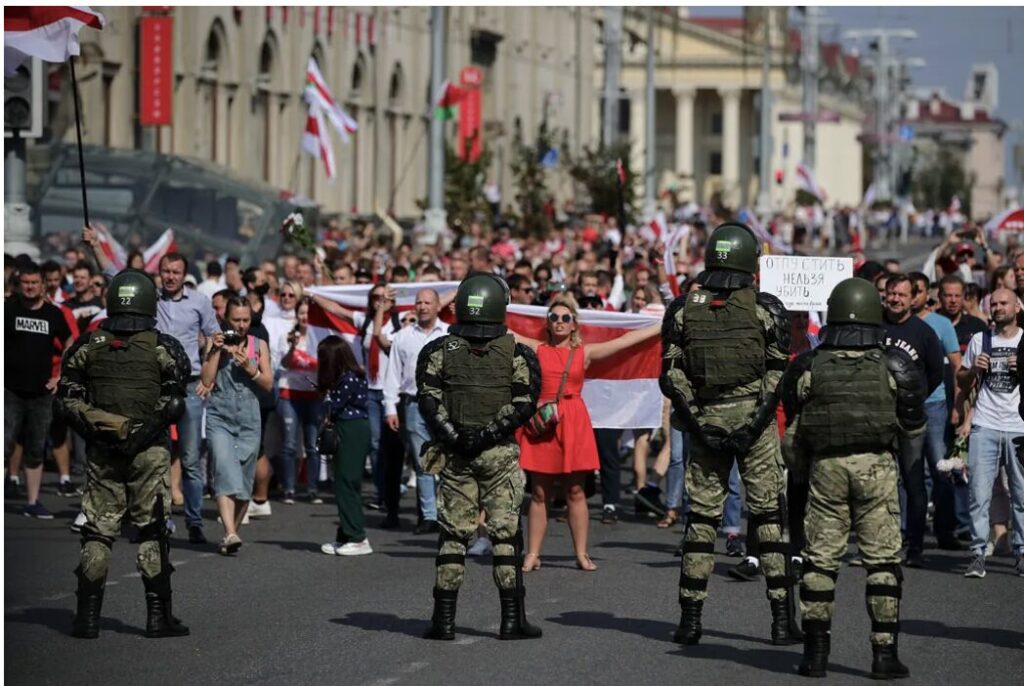
PHOTOS COMPLEMENTING THE FACTUAL PART OF BOOK:
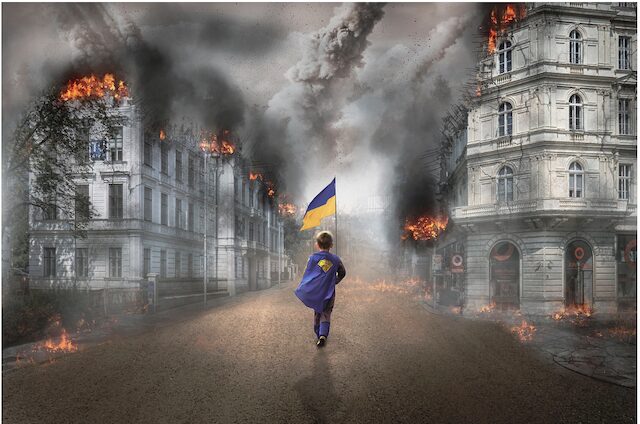
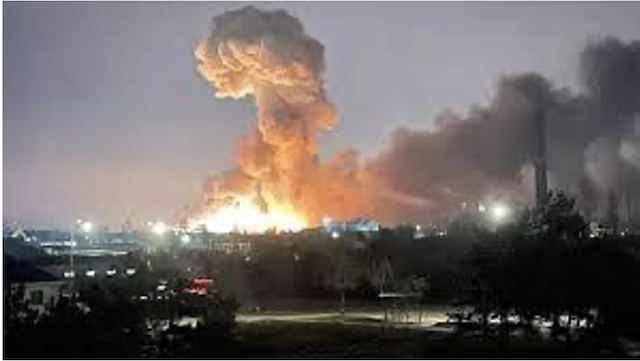
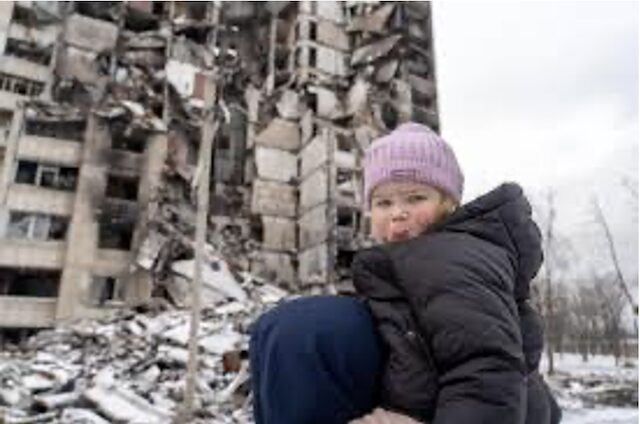
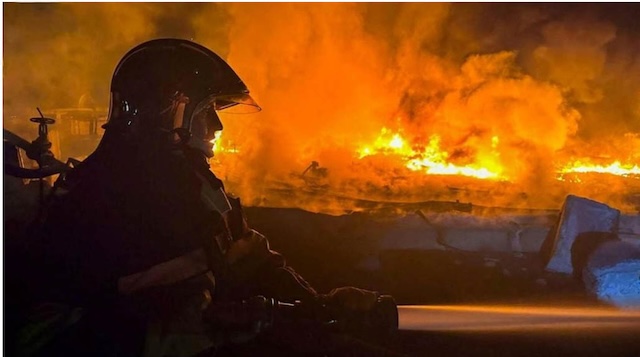
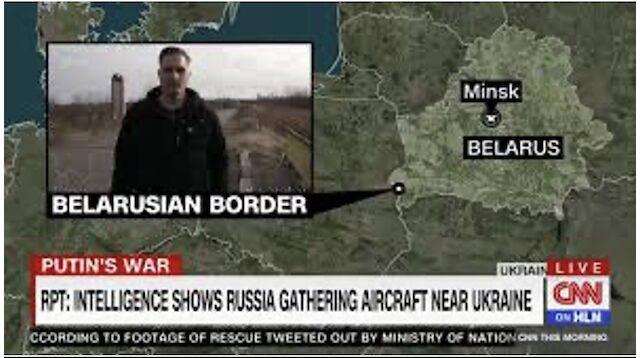
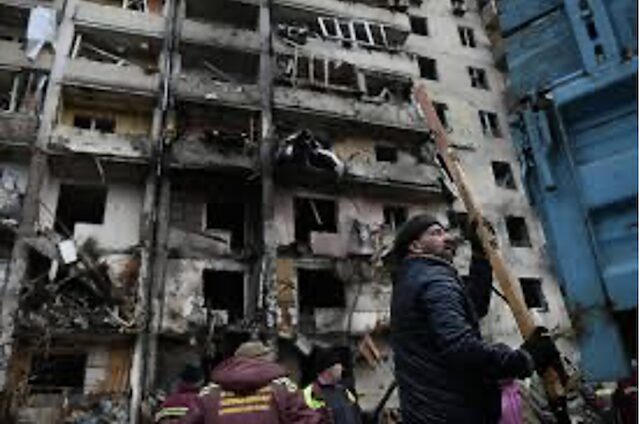
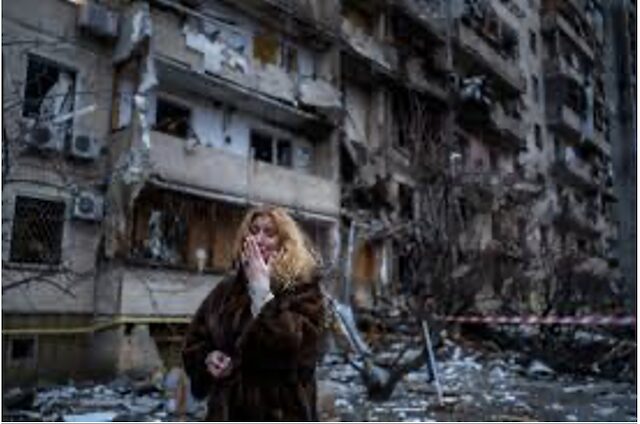
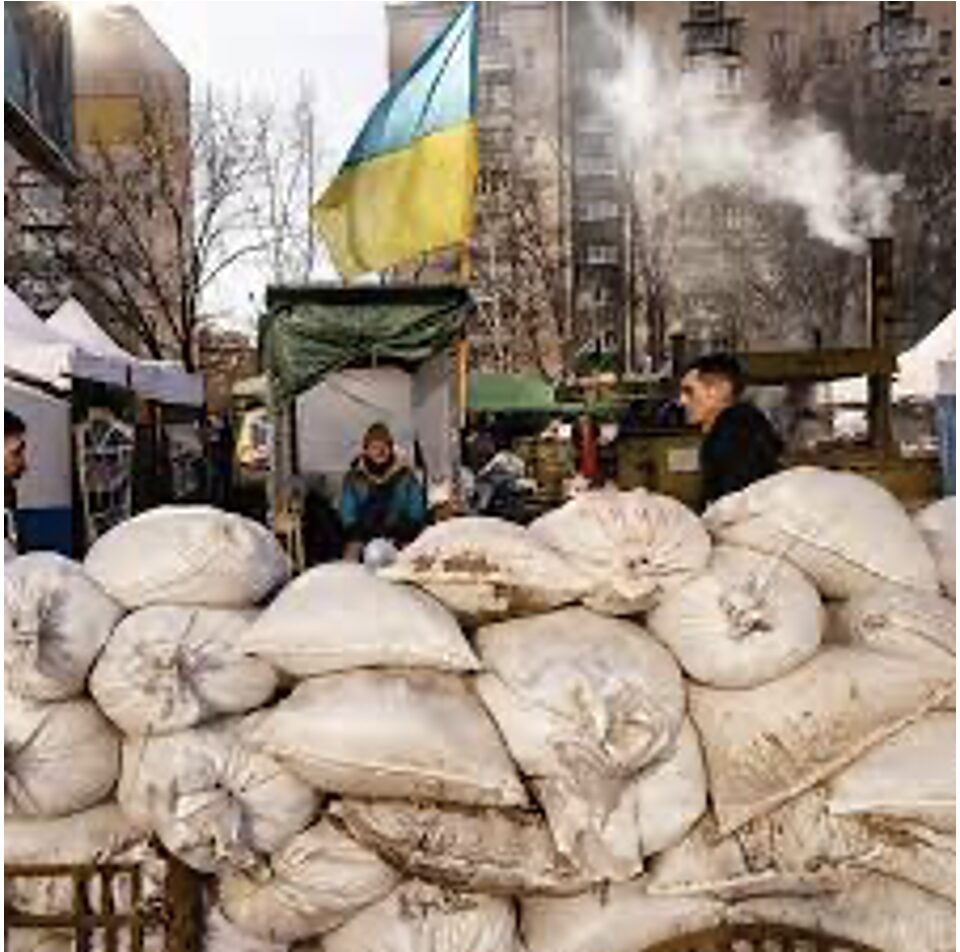
BELARUSIAN PROTESTERS
SUMMARY of MY FRIEND THE SPY:
SUMMARY of MY FRIEND THE SPY:
My Friend the Spy, is a compelling story of international espionage, that takes the reader to Belarus, where secrets and spies are uncovered. Fact and Fiction merge together to offer a multi-level perspective of two dictators and their ruthless regimes in Belarus and Russia. Amidst this true rendering of current events and barbaric politics, love and passion mix with war and tyranny.
The fictional aspect depicts two stories parallel to each other: the friendship of two women as they spy on each other until they learn to trust; and a love story of two C.I.A. spies who discover each other after years of separate lives.
The story unfolds in New York City, taking center stage at the United Nations, where Film Professor, Sybil Edwards, learns that her Teaching Assistant happens to be a famous personality with close ties to the dictator, Lukashenko, of Belarus. Sybil, as an aspiring writer of spy thrillers, discovers that this woman can offer her a once-in-a-lifetime opportunity to understand the workings of the mind of a tyrant and to write about him. But little does Sybil realize that this ruthless dictator will emerge as the ally of Vladimir Putin, and her student actually becomes involved with barbaric politics of Ukraine, Belarus and Russia.
My Friend the Spy is up-to-date and brings the story right into the present. It is a novel with real-life, political events that blend with vibrant, fictional characters to offer the reader a kaleidoscope of colored gems of storytelling.
WHO ARE THE CHARACTERS in MY FRIEND THE SPY?
FACTUAL:
- Alexander Lukashenko (Aleksandr Lukashenka, Russian spelling)
is a Belarusian politician who has been the first and only president of Belarus since the office’s establishment in 1994, making him presently, the longest-serving European leader and dictator.
Before embarking on his political career, Lukashenko worked as the director of a Belarusian state farm (sovkhoz). Following the dissolution of the Soviet Union, he assumed the position of head of the interim anti-corruption committee of the Supreme Council of Belarus. In 1994, he won the presidency in the country’s inaugural presidential election after the adoption of a new constitution.
Lukashenko has since presided an authoritarian government and has commonly been labeled as “Europe’s last dictator.” International monitors have not considered Belarusian elections as free and fair, except for his initial win. Additionally, the government harshly suppresses opponents and limits media freedom. Eventually, this has led multiple Western governments to impose sanctions on Lukashenko and other Belarusian officials. Lukashenko’s contested victory in the 2020 presidential election preceded allegations of vote-rigging, amplifying anti-government protests, the largest seen during his rule. Consequently, the United Kingdom, the European Union, and the United States ceased to recognize Lukashenko as the legitimate president of Belarus following the disputed election. However, Lukashenko managed to maintain his grip on power despite the aforementioned countries’ reaction, which eventually led to a resumption of partial diplomatic relations, while his re-election in the 2025 presidential election was once more described as a sham.
Such isolation from parts of the West has, especially in the Putin era, increased his dependence on Russia, with whom Lukashenko had already maintained close ties. He also reportedly played a crucial role in brokering a deal to end the Russian Wagner Group rebellion in 2023, allowing some Wagner soldiers to cross the country’s border unhindered and settle in Belarus.
- Vladimir Makei
served in the Belarusian ministry as secretary of several departments. Since August 20, 2012, he had been Minister of Foreign Affairs. A former Belarusian military officer stated that Makei, though having been “deformed by years of service to Lukashenko,” was “undoubtedly some kind of bridge with the West.” Makei spoke Belarusian, Russian, German, and English.
He died in office on November 26, 2022, at the age of 64. Makei was not known to have had a chronic illness, and Belarusian authorities did not state his cause of death. According to the Belarusian independent weekly newspaper Nasha Niva, he died of a heart attack. He was given a state funeral on November 29,2022 which was attended by Lukashenko .
- Yevgeny Prigozhin
was the Russian mercenary leader of the Wagner Group and oligarch. He was a close confidant of the Russian president until he launched a rebellion in June 2023. Prigozhin was sometimes referred to as “Putin’s chef” because he was Putin’s official “taster,” and owned restaurants and catering businesses that provided services to the Kremlin. Once a convict and prisoner, after leaving jail years later, he controlled a network of influential companies whose operations, according to a 2020 investigation, were “tightly integrated with Russia’s Defense Ministry and its intelligence arm, the GRU.”
In 2014, Prigozhin reportedly founded the Wagner Group to support Russian separatist forces in Ukraine. Funded by the Russian state, it played a significant role in Russia’s invasion of Ukraine and supported Russian interests in Syria and in Africa. In November 2022, Prigozhin acknowledged his companies’ interference in United States elections. In February 2023, he confirmed that he was the founder and long-time manager of the Internet Research Agency, a Russian company running online propaganda and disinformation campaigns.
Prigozhin’s companies and associates, and formerly Prigozhin himself, were subject to economic sanctions and criminal charges in the United Statesand the United Kingdom. In October 2020, the European Union (EU) imposed sanctions against Prigozhin for his financing of the Wagner Group’s activities in Libya. In April 2022, the EU imposed further sanctions on him for his role in the Russian invasion of Ukraine.
Prigozhin openly criticized the Russian Defense Ministry for corruption and mishandling the war against Ukraine. Eventually, he said the reasons they gave for invading were lies. On June 23, 2023, he launched a rebellion against the Russian military leadership. Wagner forces captured Rostov-on-Don and advanced toward Moscow. The rebellion was called off the following day, and the criminal charges against Prigozhin were dropped after he agreed to relocate his Wagner soldiers to Belarus. On August 23, 2023, exactly two months after the rebellion, Prigozhin was killed along with 9-10 other people when his plane crashed in Tver Oblast, north of Moscow. The Wall Street Journal cited sources within the US government as saying that the crash was likely caused by a bomb on board or “some other form of sabotage.”
FICTIONAL:
- Laryssa Pavlovich
- Belarusian Teaching-Assistant at United Nations for Professor Sybil Edwards. For more than twenty years, Laryssa has worked with the dictator of Belarus, Lukashenko, and became his confidential advisor. In the novel, we wonder does this mean that she’s a spy for Belarus? Or, possibly, a double agent for the United States and Belarus? How involved is she with Belarus’ dark complicity in Russia’s war with Ukraine?
- Sybil Edwards
- Professor of film at United Nations and writer of spy thrillers. Sybil is interested in learning about the character of a dictator, especially Lukashenko of Belarus. She befriends her student, Laryssa, as her vehicle to uncover the Truth about political secrets. By doing so, Sybil, becomes a target for bomb scares, political murders, and global threats.
- Alexey Simonovich
- When a student at the university in Belarus, Alexey and Laryssa were in love. But fate separated them; years later they are reunited in Mexico. He is a senior agent for the CIA. In the novel, we wonder can he trust Laryssa ‘s activities and love her at the same time? Can he unravel the web of passion, loyalty, doubts, and survival?
- James
- He is Sybil’s brother and Alexey’s neighbor in Mexico. Part two of our story takes place at his home while his sister is visiting him. Danger, terrorist attacks and romance intrude his quiet beach house.
- Dr. Eugene (Gene) Edwards
- He is Laryssa’s husband who is vacationing with her in Mexico.
- Hildie
- James’ wife, German-born, aristocrat. She is in the background of our story as global events take place on her beach as a political stage.
- Alina
- Sister-in-law of Laryssa, who is in charge of covert chess activities in Minsk and Kyiv. She works secretly with Laryssa to coordinate an underground resistance movement supporting Ukraine by using Belarusian chess masters. Chess becomes a vehicle and metaphor for war.
REVIEWS of MY FRIEND THE SPY: (2025)
1. Review Rating: 5 Stars
Reviewed by Olga Markova for Readers’ Favorite
My Friend the Spy by Roberta Seret is an engrossing blend of spy thriller, psychological thriller, historical fiction, and clean romance. It is New York, September 2022. Professor Sybil Edwards is teaching Advanced English conversation and Film at the United Nations. She finds herself in a complex relationship with Laryssa Pavlovich, her teaching assistant. Sybil suspects that Laryssa is a spy. Trying to learn more about Laryssa, Sybil befriends her and becomes a witness to events proving that Larissa’s life is in peril. Then comes summer 2023. Visiting her brother in Mexico, Sybil meets Alexey, her brother’s neighbor. Alexey gets distraught when Sybil mentions Laryssa. A series of life-threatening attacks on Sybil and Alexey follows. Who are Laryssa and Alexey? Who is attacking them and why?
Reading My Friend the Spy, I could not put it down until the end. Roberta Seret commendably translated her work experience at the United Nations and International Cinema Education NGO into this eventful, fast-moving, and thought-provoking story. Sybil’s cinema tutorials were both educationally informative about films teaching global events and enhanced the relationships and the characters of Sybil and Laryssa. The scenes in the atmospheric Mayan lagoon were especially riveting, as their serene beauty contrasted with the unexpected perils for the characters and building up the suspense. The ending that opens the door for a sequel was very satisfying, too.
This praiseworthy novel will appeal to fans of spy thrillers and readers interested in history, international affairs, and politics of the U.S.A., Mexico, Romania, Russia, Ukraine, and Belarus.
2. Review Rating: 5 Stars
Reviewed by Asher Syed for Readers’ Favorite
My Friend the Spy by Roberta Seret begins with educator Sybil Edwards, who goes about her daily teaching and personal observations while monitoring Laryssa Pavlovich, a Belarusian operative. Laryssa moves between New York and Minsk, managing family obligations, diplomatic cover, and intelligence work. She carries out clandestine CIA missions to track Belarusian leadership, document political abuses, and support the return of abducted Ukrainian children. Sybil notes Laryssa’s movements, interviews, and communications, recording her involvement with chess networks, espionage operations, and international strategy. Laryssa reconnects with her former love, Alexey, in Mexico, coordinating operational security while sharing intelligence. Together, they handle threats from Russian and Belarusian agents, plan interventions, and conduct clandestine missions, all while maintaining personal connections and public appearances amid ongoing war, surveillance, and geopolitical maneuvering.
Roberta Seret’s My Friend the Spy is a wonderfully immersive story that walks the line between a sweeping espionage plot and the deeply personal lives of its characters, doing this through Sybil’s first-person perspective and a shift to a variant with Laryssa and Alexey. This happens organically and is really well done. Perhaps the most impressive part to me is the procedural elements, from Laryssa’s covert operations and strategic planning to her work within Belarusian and international intelligence networks, providing an authentic view of spy craft that is informed and meticulous. The settings are as fully fleshed out as Seret’s characters, whether it’s bustling cities, serene gardens, or the jungles of Mexico, and the texture offers readers a strong sense of presence. Every mission, conversation, and observation contributes to a read that is exciting, intelligent, and satisfying, and I look forward to seeing what Seret comes up with next. Very highly recommended.
3: Review Rating: 5 Stars
Reviewed by Romuald Dzemo for Readers’ Favorite
Roberta Seret’s My Friend the Spy follows Sybil, a New York-based English and film teacher at the United Nations, as she develops a complex friendship with her enigmatic teaching assistant, Laryssa Pavlovich. Laryssa, once a media star and political insider in Belarus, is now the wife of a Belarusian military attaché, living in New York as the war in Ukraine rages. As Sybil grows closer to Laryssa, she uncovers layers of intrigue: Laryssa’s ties to the autocratic Lukashenko regime, her underground resistance work using chess clubs to help the Ukrainian cause, and her haunted past shaped by Soviet espionage and family secrets. Their relationship deepens against a backdrop of bomb scares, political murders, and global events, culminating in Mexico, where Sybil meets Alexey, Laryssa’s old lover, and realizes the tangled web of love, loyalty, and survival that characterizes Laryssa’s life. The novel intertwines Sybil’s own survival story as a cancer patient with Laryssa’s fight for redemption, as both women search for meaning—and safety—in a world of shifting allegiances.
What makes My Friend the Spy particularly compelling is Roberta Seret’s ability to blend fact with fiction, infusing the narrative with real-world geopolitics, Belarus’s dark complicity in Russia’s war, and the inner lives of women working in the shadows of autocracy. The characters are vividly drawn: Laryssa, with her fiery red hair and veiled motives, is sympathetic and suspect, at once a victim and a manipulator. Sybil, the narrator, is driven by curiosity, empathy, and a hunger for truth that resonated with me. The setting in New York is vividly described, with details such as foggy Manhattan mornings. Themes of power, ambition, guilt, and redemption are excellently developed through literary and cinematic metaphors, particularly the recurring motif of chess as both a game and a metaphor for war. I enjoyed the writing, the captivating first-person narrative voice, the memorable characters, and the plot twists. It felt like reading a story taking place on the contemporary political stage
REVIEWS of MY FRIEND THE SPY: (2022-23)
(From Readers’ Favorites)
1: My Friend the Spy is a wonderful read. Author Roberta Seret does an amazing job of seamlessly uniting current events with a fictional story of the friendship between these two interesting characters. What I found most intriguing was the author’s ability to dig into the backstories of these two intelligent, successful, vivacious, and courageous women who have both, in their ways, suffered trauma and difficulties in their lives. I particularly appreciated the passion with which the author expresses the desire for freedom, democracy, and the ending of political corruption of the ordinary Belarusian and indeed Ukrainian citizens. If there was one major takeaway from this book, for me, it was that Belarusians and Ukrainians do not see themselves as Russians; they have cultures, histories, and ideals that they very much consider their own. I found fascinating the power dynamic between Putin and Lukashenko. Although Belarus does rely greatly on Russia for almost everything to survive, Lukashenko was not without options and could powerfully influence Putin’s stance on Ukraine and any possible future peace between the nations. This was a well-thought-out novel with real-life, identifiable events that had me enthralled from beginning to end. This is a book I can highly recommend
2: This is the first book I have ever read that is so up to date that it brings the story right into the present. My Friend the Spy by Roberta Seret is part fact and part fiction. I enjoyed learning about the history of a small, landlocked country, with only eight million inhabitants, that is prominently featured in the news. Is Belarus about to help Putin in his brutal invasion of Ukraine or can he remain on the sidelines, despite relying on Russia for most of his country’s imports? Does Laryssa know the answer? Seret’s book shines a light on the long-serving dictator, his rise to power, and the secrecy surrounding those who work for him. We question if the friendship between an American and a close friend of Lukashenko’s, is one spy spying on another. There is a growing attraction between the pair, but do you behave like that with one of your best friends? Can you truly understand a confidant from another culture, and can you trust her? This book had me guessing, but I especially loved it because of the information it contained. I love learning from my reading, so if you like novels with a political twist, you will enjoy this book too.
3: Roberta Seret’s entertaining story fuses actual events from history into her novel effortlessly. Her characters and their development do not match what I would expect from your typical espionage plot but then the art of blending into the crowd to the point of being invisible has always been regarded as the hallmark of that business. The way Seret develops the conversation between her principal characters is revealing as it transitions the story from a formal one to an emotional journey where both participants seem prepared to be completely open with one another yet unwilling to initiate the process. The analysis of Belarus is interesting and serves as a fitting context for this unusual story. My Friend the Spy is not so much a spy story as it is one of enduring love. It would make a worthy addition to any library.
BIO:
ROBERTA SERET, Ph.D. is founder and executive director of the Non-Governmental Organization (NGO) at the United Nations, International Cinema Education Organization (2001 to present) that has been funded by a 5-year Ford Foundation Grant, 7-year Morgan Stanley Grant, UBS and others. Her “Global Classroom,” has invited more than 15,000 New York City students to programs at the U.N. As Director of ESL and Film for the Hospitality Committee of the United Nations, she teaches diplomats English by using Film.
website: www.internationalcinemaeducation.org.(For Filmeds, password is july07)
She also teaches Film at New York University, where her book, World Affairs in Foreign Film, serves as curriculum.
She is the author of the series, Transylvanian Trilogy (Gift of Diamonds, Love Odyssey, Treasure Seekers), winning 7 awards, including the prestigious Indie Winner for Best Fictional Series in 2022.
My Friend the Spy and Secret Truths will be published by Academic Studies Press, (2026).
https://www.myfriendthespy.com
BOOK AWARDS: FOR ROBERTA SERET FOR 3 NOVELS FROM TRANSYLVANIAN TRILOGY
ALL BOOKS PUBLISHED by Wayzgoose Press, 2021-22, (Berkeley University)
For TRANSYLVANIAN TRILOGY:
- 2022 – WINNER – BEST SERIES in FICTION INDIE BOOK AWARD for 2022, Transylvanian Trilogy
For GIFT OF DIAMONDS:
- 2021-22 AMERICAN FICTION AWARD FINALIST, Gift of Diamonds: Classification: Mystery/ Suspense. Issued by: American Fiction Award FINALIST
For LOVE ODYSSEY:
- 2021-22 AMERICAN FICTION AWARD FINALIST, Love Odyssey: Classification: Romance. Issued by: American Fiction Award
- NYC BIG BOOK AWARD 2021-22 Winner, Love Odyssey,
Classification: Romance/ Thriller. Issued by NYC BIG BOOK AWARD.
- INDEPENDENT PRESS AWARD, 2022 DISTINGUISHED FAVORITE: Love Odyssey, Classification: Romantic Suspense. Issued by INDEPENDENT PRESS AWARD DISTINGUISHED FAVORITE:
For TREASURE SEEKERS:
- INDEPENDENT PRESS AWARD, 2022 DISTINGUISHED FAVORITE: Treasure Seekers, Classification: International Thriller. Issued by INDEPENDENT PRESS AWARD DISTINGUISHED FAVORITE:
- GLOBAL THRILLER FINALIST 2022, CIBA, CHANTICLEER INTERNATIONAL BOOK AWARD, Treasure Seekers, Classification: International Thriller. Issued by CHANTICLEER INTERNATIONAL BOOK AWARD.